


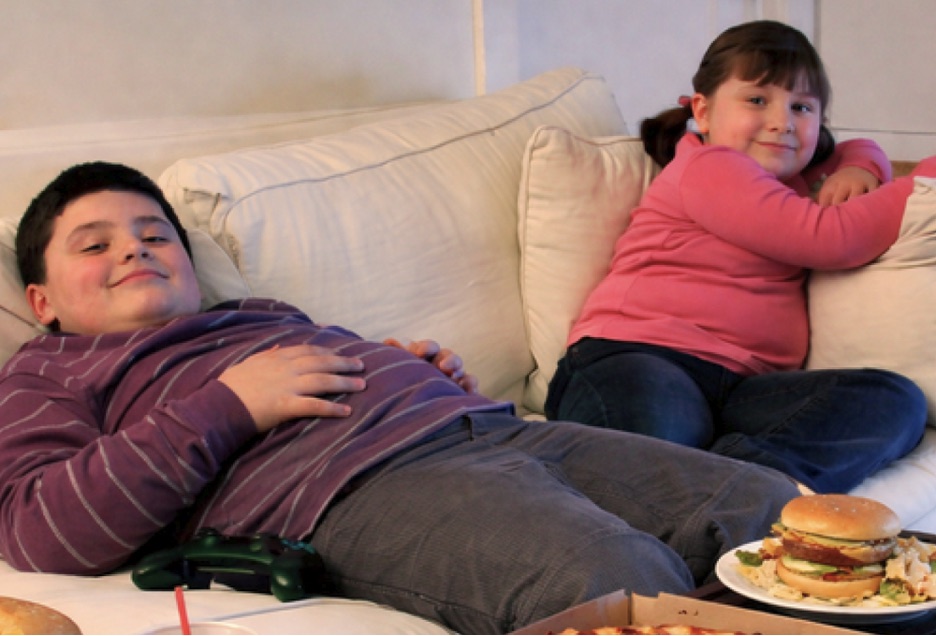
Excess body weight and obesity are among the fastest-growing public health problems of our time and simultaneously one of the greatest silent killers of the 21st century. If current trends do not change, by 2050 approximately 60% of adults (3.8 billion people) and nearly one-third of children (746 million) will live with this condition - more than twice as many as in 1990 [1].
Obesity does not arise from a single cause. Behind it lies a complex interweaving of biological mechanisms, including genetic susceptibility and hormonal regulation, along with factors such as dietary patterns, physical inactivity, family environment, sleep disorders, and stress, which together promote excessive energy intake and insufficient energy expenditure.
Therefore, obesity is now understood as a multifactorial disease in which genetics and physiology influence susceptibility, while the environment decisively determines how this susceptibility manifests in practice [2].
How do we define excess body weight and obesity?
Nutritional status is most commonly assessed using Body Mass Index (BMI), which serves as a basic screening tool in clinical practice and research. It is calculated as the ratio between body weight (in kilograms) and the square of height (in meters).
In children and adolescents up to 19 years of age, BMI is always interpreted according to age and gender, as the body changes rapidly during growth periods. Therefore, values are compared with growth charts that enable assessment of nutritional status relative to peers. Excess body weight is defined by values between the 85th and 95th percentiles, while obesity is defined by values above the 95th percentile [2].
For adults, the interpretation is simpler: excess body weight is defined at BMI ≥ 25 kg/m², while obesity is defined at BMI ≥ 30 kg/m² [1].
However, it should be noted that BMI is a useful screening tool but does not provide information about body composition or fat tissue distribution. Therefore, in individual cases, such as in highly muscular individuals, it may overestimate the degree of excess weight.
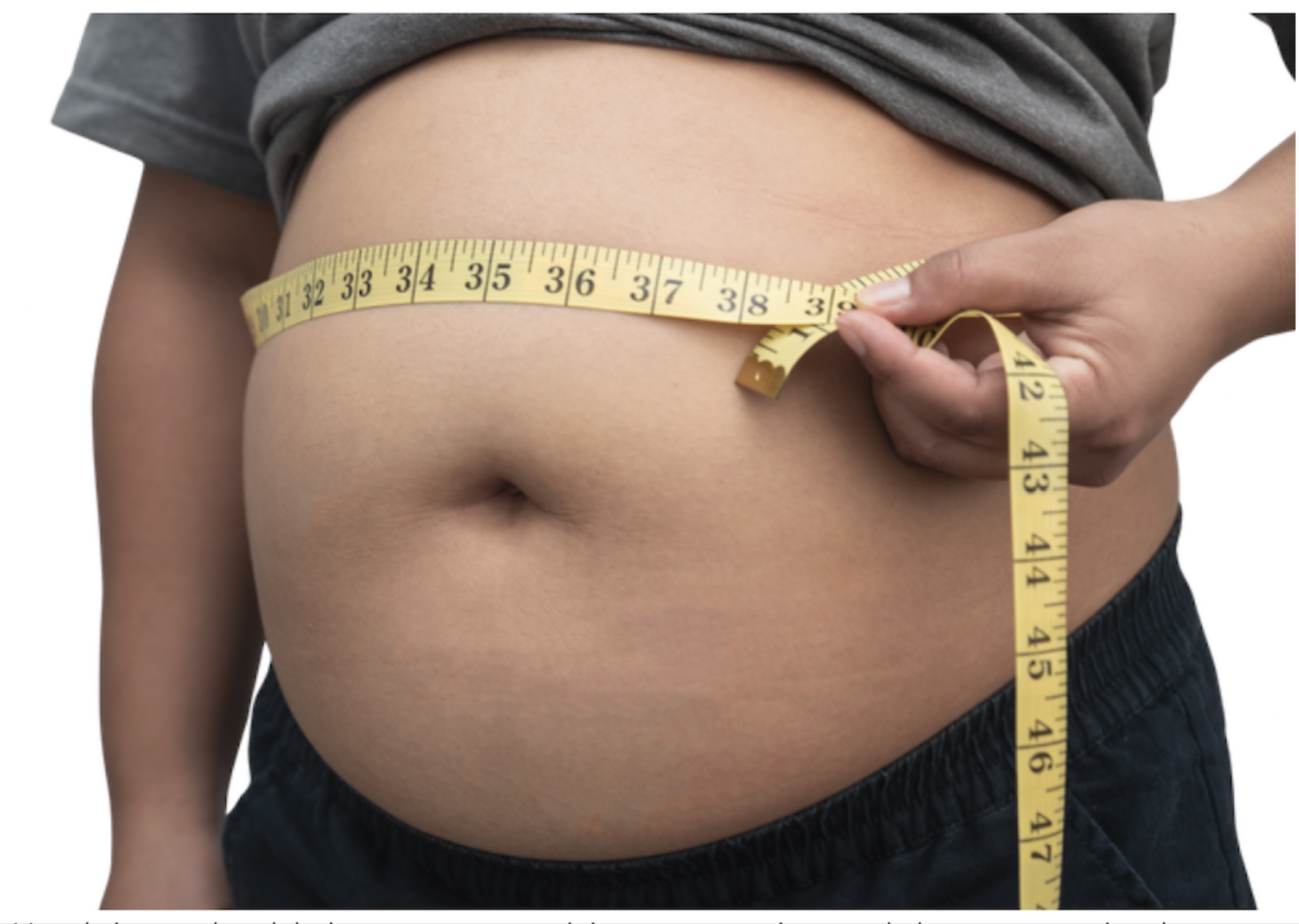
When defining both of these risk conditions, it is important to determine where fat accumulates in the body. Particularly risky is the accumulation of fat in the abdominal area, known as central or visceral obesity, where fat is deposited around internal organs. Such adipose tissue is metabolically active and associated with increased risk for insulin resistance, type 2 diabetes, elevated blood lipids, and cardiovascular diseases. Research shows that indicators of central obesity predict metabolic risk more reliably than BMI alone [3].
In practice, central obesity is often assessed using the waist-to-height ratio (WHtR). It is calculated by dividing waist circumference (in centimeters) by height (in centimeters). Values above 0.5 indicate increased risk, which can be simply interpreted as: waist circumference should be less than half of body height [4].
Why excess body weight and obesity pose health risks
Excess adipose tissue is not merely a passive energy store, but rather metabolically active tissue that triggers chronic low-grade inflammation in the body. This does not cause noticeable symptoms but chronically burdens metabolism and the vascular system.
This condition gradually leads to insulin resistance, disorders in blood sugar regulation and fat metabolism, and disrupts the hormonal balance that regulates appetite, satiety, and energy expenditure. Visceral adipose tissue surrounding internal organs is particularly problematic, as it is more metabolically active and associated with greater risk for chronic diseases.
In children and adolescents, excess body weight already increases the likelihood of type 2 diabetes, dyslipidemia, hypertension, musculoskeletal problems, and psychosocial difficulties such as depression, anxiety, and reduced quality of life [2].
In adults, excess body weight increases the risk of cardiovascular diseases and type 2 diabetes, while obesity additionally contributes to certain types of cancer and significantly shortens healthy life expectancy. Global analyses show that high BMI contributes to millions of deaths annually, primarily due to cardiovascular diseases [3].
Key factors influencing body weight

The following briefly presents the closely intertwined key factors that contribute to the development of excess body weight and obesity.
- Genetic susceptibility
Genetic factors influence appetite, metabolism, and energy storage patterns, making some individuals more susceptible to developing excess body weight. However, genetics alone does not cause obesity. It develops primarily in environments that promote high energy intake and low energy expenditure, known as obesogenic environments, which are often difficult to avoid in modern lifestyles [5].
This means that genetic susceptibility can increase risk, but obesity most commonly develops only when this susceptibility meets inappropriate dietary habits.
- Hormonal dysregulation: ghrelin and leptin
Two main hormones regulate appetite and energy balance: ghrelin (hunger hormone) and leptin (satiety hormone). In normal body function, ghrelin rises before meals and stimulates hunger, then decreases after eating, while leptin signals adequate energy stores and contributes to feelings of satiety. During prolonged energy surplus, appetite regulation becomes disrupted. Leptin resistance develops, where satiety signals no longer work effectively, while ghrelin regulation also becomes impaired. The result is increased hunger, greater energy intake, and persistence of excess body weight and obesity [2].
- Dietary patterns
Dietary patterns significantly influence the amount of energy consumed.
Modern diets often rely on energy-dense and highly processed foods that contain more fats, sugars, and salt, making them extremely palatable. At the same time, such foods are quickly accessible and easy to use, so we reach for them more frequently in our fast-paced lifestyles. Research shows that individuals consuming such foods intake more energy than when eating minimally processed foods, as intense flavors encourage greater consumption [6].
- Physical inactivity
Low levels of physical activity reduce energy expenditure and accelerate the development of imbalances between energy intake and expenditure. Modern lifestyles that include excessive sitting and insufficient movement significantly increase the risk of developing excess body weight and obesity, as confirmed by scientific research over many years [7].
- Sleep disorders
Sleep deprivation affects the regulation of hunger and satiety hormones and is associated with increased energy intake. With insufficient sleep, ghrelin (hunger hormone) secretion increases and leptin (satiety hormone) function decreases, while cravings for energy-rich foods increase. Research shows that shorter sleep duration increases the risk of developing excess body weight and obesity in both children and adults [8].
- Stress
Chronic stress affects hormonal balance and can promote overeating, particularly reaching for energy-dense foods. During prolonged stress, cortisol secretion increases, which is associated with greater appetite and stronger cravings for sweet and fatty foods. Cortisol also affects metabolism by promoting fat storage, especially in the abdominal area, which can contribute to weight gain [9].
- Family environment
Dietary and behavioral habits are formed in early childhood. Family environments that do not support regular meals, physical activity, and sleep increase the risk of developing excess body weight and obesity. Parental modeling, food availability, and daily habits such as meal timing, family meals, and screen time also play important roles, as these factors significantly influence the formation of long-term habits [10].
Conclusion

Obesity often develops gradually, from childhood through adolescence to adulthood. Therefore, early recognition of risky habits and timely intervention are crucial for long-term health.
For effective maintenance of healthy body weight in adults, regular weight monitoring (e.g., once weekly) is beneficial.
In children and adolescents, body weight is always assessed in the context of growth and development, so monitoring occurs primarily during regular systematic examinations with pediatricians or school health professionals.
Want practical support?
At HFL Institute, we are happy to help you develop balanced habits in your daily life and environment.
References
1. Phelps, N.H., et al., Worldwide trends in underweight and obesity from 1990 to 2022: a pooled analysis of 3663 population-representative studies with 222 million children, adolescents, and adults. The Lancet, 2024. 403(10431): p. 1027-1050. 2. Jebeile, H., et al., Obesity in children and adolescents: epidemiology, causes, assessment, and management. The Lancet Diabetes & Endocrinology, 2022. 10(5): p. 351-365. 3. Neeland, I.J., P. Poirier, and J.P. Després, Cardiovascular and Metabolic Heterogeneity of Obesity: Clinical Challenges and Implications for Management. Circulation, 2018. 137(13): p. 1391-1406. 4. Eslami, M., et al., Optimal cut-off value of waist circumference-to-height ratio to predict central obesity in children and adolescents: A systematic review and meta-analysis of diagnostic studies. Front. Nutr., 2023. Volume 9 - 2022. 5. Loos, R.J.F. and G.S.H. Yeo, The genetics of obesity: from discovery to biology. Nature Reviews Genetics, 2022. 23(2): p. 120-133. 6. Hall, K.D., et al., Ultra-Processed Diets Cause Excess Calorie Intake and Weight Gain: An Inpatient Randomized Controlled Trial of Ad Libitum Food Intake. Cell Metabolism, 2019. 30(1): p. 67-77.e3. 7. Silveira, E.A., et al., Sedentary behavior, physical inactivity, abdominal obesity and obesity in adults and older adults: A systematic review and meta-analysis. Clinical Nutrition ESPEN, 2022. 50: p. 63-73. 8. Chaput, J.-P., et al., The role of insufficient sleep and circadian misalignment in obesity. Nature Reviews Endocrinology, 2023. 19(2): p. 82-97. 9. Tomiyama, A.J., Stress and Obesity. Annu Rev Psychol, 2019. 70: p. 703-718. 10. Scaglioni, S., et al., Factors Influencing Children's Eating Behaviours. Nutrients, 2018. 10(6).