




Every day in Slovenian kindergartens, primary and secondary schools, more than 200,000 meals are prepared, distributed and consumed. These meals are not just a logistical achievement of the system, but an important public health measure. For many children, they represent a significant portion of their daily food intake, often the most balanced meal of the day.
At a time when children's dietary habits are increasingly shaped by aggressive marketing of highly processed foods, widespread availability of energy-dense and nutrient-poor food, and the influence of the food industry, organized nutrition in educational institutions has become one of the key spaces for developing balanced habits [1]. However, those who oversee this system daily remain almost invisible.
Nutrition coordinators in educational institutions are crucial for ensuring nutritional quality, food safety, and increasingly, sustainable practices. Their decisions directly affect what our children eat, how often they consume certain foods, and what relationship with food they develop. In practice, however, their work is often not adequately recognized or systematically supported.
Read more: School and Kindergarten Nutrition: The Invisible Experts Who Decide What Our Children Eat
Have you ever caught yourself saying: "The child has already eaten at school" or "The child has already eaten at kindergarten"?
But children don't just eat there. Children eat all day long and nutrition is round-the-clock.
Therefore, the question of what the child should eat at home is not crucial. Much more important is the question of how home meals complement what the child has already eaten during the day.
Guidelines as a roadmap for home nutrition
In today's fast-paced world, parents often seek simple yet reliable ways to ensure healthy nutrition for their children. Slovenian nutrition guidelines for educational institutions[1] offer an excellent framework for the home environment as well. They are based on the concept of all-day nutrition, which includes five meals: breakfast, morning snack, lunch, afternoon snack, and dinner. They are designed for children from ages 1 to 18 and promote dietary diversity, balanced energy intake, and limiting sugar, salt, and saturated fats.
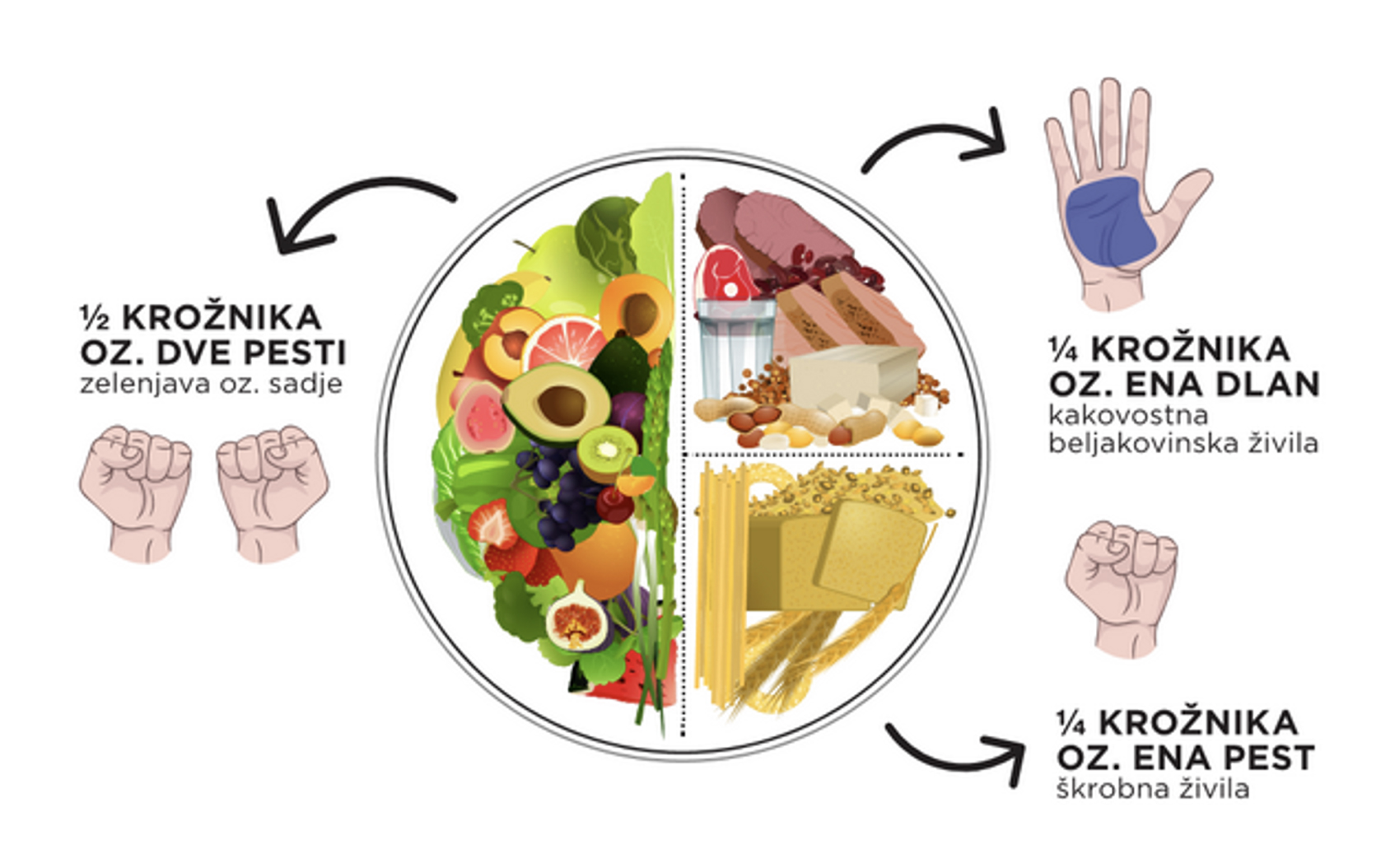
Read more: Nutrition Guidelines for Children in the Home Environment
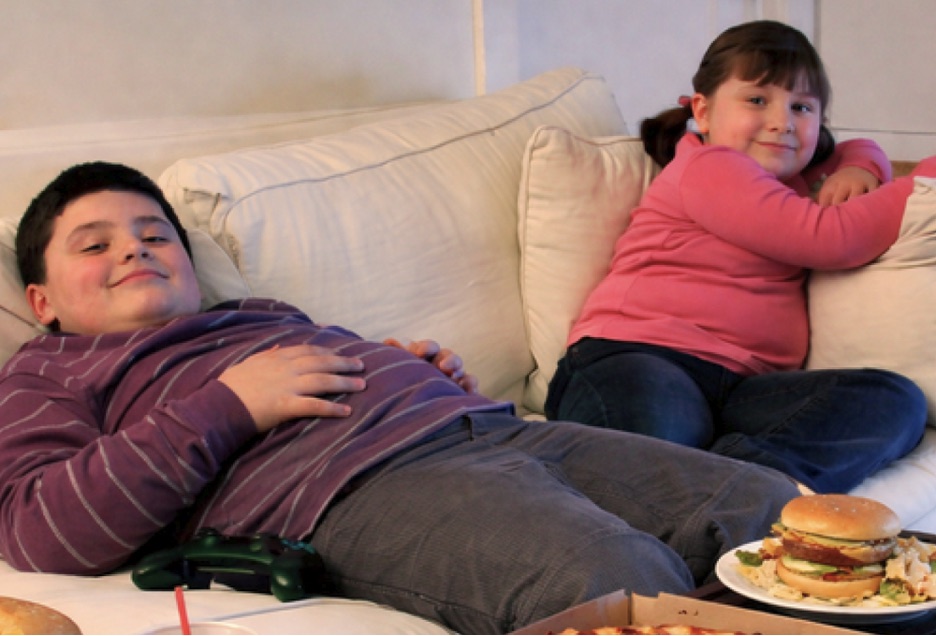
Excess body weight and obesity are among the fastest-growing public health problems of our time and simultaneously one of the greatest silent killers of the 21st century. If current trends do not change, by 2050 approximately 60% of adults (3.8 billion people) and nearly one-third of children (746 million) will live with this condition - more than twice as many as in 1990 [1].
Obesity does not arise from a single cause. Behind it lies a complex interweaving of biological mechanisms, including genetic susceptibility and hormonal regulation, along with factors such as dietary patterns, physical inactivity, family environment, sleep disorders, and stress, which together promote excessive energy intake and insufficient energy expenditure.
When we think about our children's future, we most often consider their education, career prospects, independence, and quality of life. We invest in knowledge, activities, and experiences. Less often, however, do we consider how powerfully that future is shaped by nutrition and daily eating patterns.

Eating habits are not innate but develop through interaction with a child's environment. While children are born with some innate responses to flavors, such as greater sensitivity to bitter and very sour tastes, their relationship with food develops through experience. What they regularly taste, what they see adults eating, and what is typical in their environment gradually becomes their way of eating [1].
Read more: Healthy Eating Habits in Children Are an Investment in Our Future