


Have you ever caught yourself saying: "The child has already eaten at school" or "The child has already eaten at kindergarten"?
But children don't just eat there. Children eat all day long and nutrition is round-the-clock.
Therefore, the question of what the child should eat at home is not crucial. Much more important is the question of how home meals complement what the child has already eaten during the day.
Guidelines as a roadmap for home nutrition
In today's fast-paced world, parents often seek simple yet reliable ways to ensure healthy nutrition for their children. Slovenian nutrition guidelines for educational institutions[1] offer an excellent framework for the home environment as well. They are based on the concept of all-day nutrition, which includes five meals: breakfast, morning snack, lunch, afternoon snack, and dinner. They are designed for children from ages 1 to 18 and promote dietary diversity, balanced energy intake, and limiting sugar, salt, and saturated fats.
Let's see how these professional guidelines, which apply in schools and kindergartens, can be easily transferred to the home environment and thus support healthy eating habits for children and the entire family.
Steps toward balanced nutrition at home
1. Choosing foods for the home pantry
The home pantry should be dominated by minimally processed foods, preferably seasonal and locally grown. Such foods typically have higher nutritional value while also supporting a more sustainable way of eating.
Give preference to fresh foods such as:
- vegetables and fruits
- whole grains
- lean meats (chicken, turkey)
- fish (e.g., mackerel, sardines, sea bream, sea bass, salmon)
- legumes (beans, lentils, peas)
Among dairy products, choose mainly unsweetened products such as plain yogurt and cottage cheese, as well as cheeses with lower fat content (up to 26 g milk fat/100 g).
Avoid storing highly processed foods such as sugary drinks, instant products, and snacks. If they're not in your home pantry, you'll consume them much less frequently.
2. Composition of a balanced meal
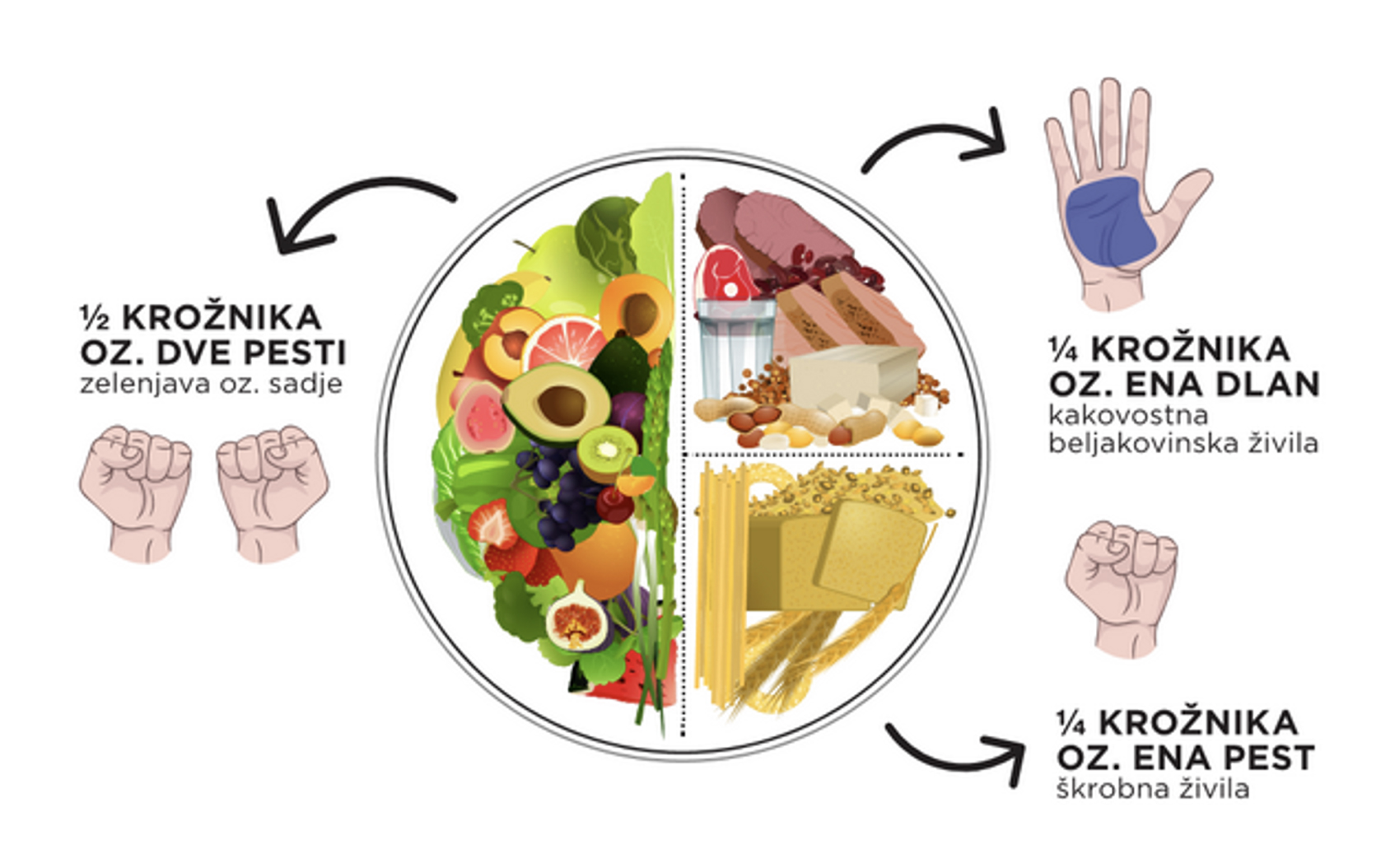
When composing meals, we can use the simple plate rule as shown in the image. Divide the plate into three parts: half should consist of vegetables and/or fruits, one quarter starchy foods (e.g., potatoes, rice, pasta, or bread – with at least half of grain products being whole grain), and one quarter protein foods such as meat, fish, eggs, dairy products, or legumes.
Always adjust portion size to the person consuming the meal. When preparing meals for children, estimate quantities based on the size of the child's palm or fist, as portions naturally adapt to the individual's age and needs.
Complete the meal with a small amount of quality fats, such as olive oil, which can be the primary oil in the kitchen. Occasionally supplement with flaxseed, rapeseed, or walnut oil, which contribute omega-3 fatty acids.
Meals should be accompanied by water or unsweetened tea.
3. Number of daily meals
An important part of healthy nutrition for children is also the rhythm of meals throughout the day. Recommendations are based on the simple 3 + 2 model:
- 3 main meals: breakfast, lunch, and dinner
- 2 smaller meals: morning and afternoon snacks
Meals should be spaced approximately 2.5 to 4 hours apart (optimally 3 hours) and should not be combined.
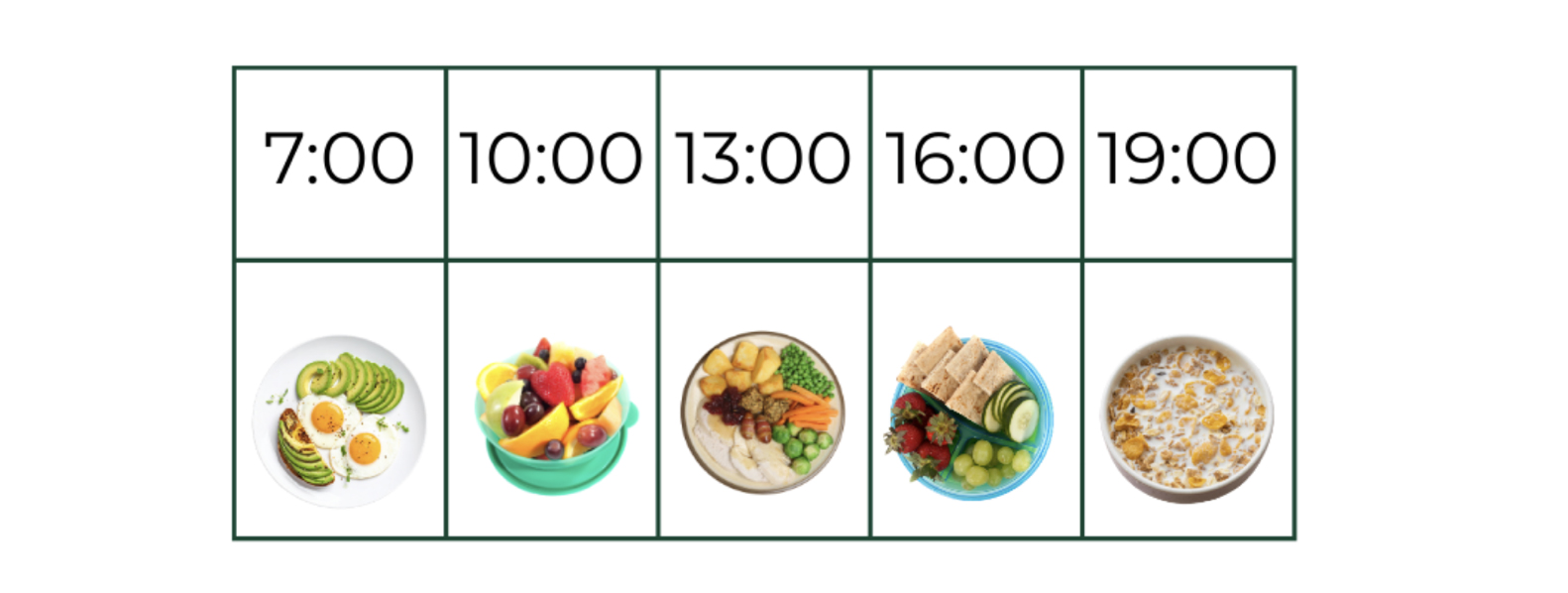
An example daily rhythm could be: breakfast at 7:00, morning snack at 10:00, lunch at 13:00, afternoon snack at 16:00, and dinner at 19:00. Adjust the rhythm to fit kindergarten or school schedules and other daily obligations.
Regular meals help prevent constant snacking, excessive hunger, and overeating that often occurs when meals are skipped. It's advisable to maintain this rhythm even on weekends, as it helps children develop stable eating habits.
4. Frequency of including different foods
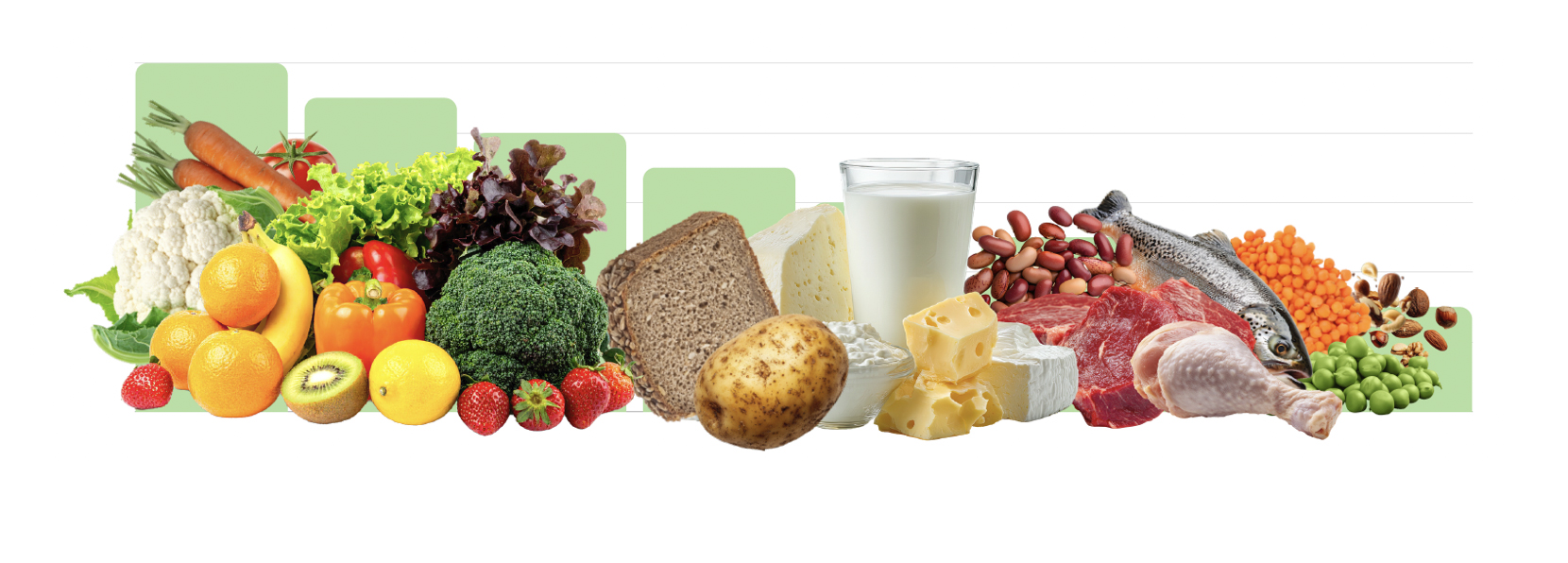
When planning meals, it's helpful to consider the recommended frequency of inclusion for different food groups:
- vegetables and/or fruits – included in every meal
- grains and starchy foods – included in every meal, half should be whole grain
- milk and dairy products – daily, at least 2 servings
- legumes – 1-2 times weekly (e.g., beans, lentils, chickpeas, peas)
- fish – 1-2 times weekly
- white meat – up to 2 times weekly
- red meat – up to 2 times weekly
- nuts and seeds – daily in small amounts (ground or finely chopped for younger children)
It's also recommended that families have at least one meat-free day per week, replacing meat with legumes or other plant-based protein sources.
5. Food preparation to preserve nutrients
The method of food preparation significantly affects the nutritional value of meals. Recommended methods that preserve nutrients include:
- boiling (including steaming)
- braising
- baking with small amounts of oil
Deep frying should generally be avoided, but if unavoidable, limit it to at most twice monthly. Also avoid overcooked or dark brown parts of food, as such preparation can form acrylamide, a compound linked to increased cancer risk.
To enhance flavor, instead of adding extra salt, use herbs and spices or aromatic vegetables like garlic and onions. Salt should be iodized and used moderately.
6. Nutrition changes with growth
As children grow, their nutritional needs change, so it's important to adapt nutrition to each developmental stage.
Toddlers (1–3 years) - Characterized by rapid growth, so they need relatively more energy per body weight. Food should be soft or cut into small pieces (to reduce choking risk), dairy products should be full-fat (milk, yogurt, cottage cheese), and portions smaller but meals regular. Many toddlers reject different food textures, so persist calmly without force.
Preschoolers (3–6 years) - This is a crucial period for learning flavors. Children often don't accept new foods immediately – sometimes 10–15 offers are needed before acceptance. Offer without pressure and in various forms (raw, cooked, in soups or one-pot meals).
Children often need 8 to 15 repetitions before they truly accept a new food.
School-age children (6–12 years) – Energy and nutrient needs remain high, especially for physically active children. Regular meals and diverse nutrition from all food groups are important. Children can increasingly be involved in simple kitchen tasks, developing independence and a positive relationship with food.
Teenagers (12–18 years) – During periods of intense growth and physical development, energy and nutrient needs increase. Adequate intake of proteins, iron, and calcium and quality fats is especially important. Since they're more independent in food choices, it's important to encourage regular meals and healthy choices, as teenagers often skip meals or turn to fast food.
The home environment plays a crucial role in shaping children's eating habits. Although much of children's daily nutrition occurs in kindergartens and schools, it's home meals that long-term shape attitudes toward food, family food culture, and healthy lifestyle.
Reference:
1. ZRSŠ, Smernice za prehranjevanje v vzgojno-izobraževalnih ustanovah. 2024: Ljubljana.